

Football · Five-a-side · Floodlight towers · RIGEN Method
LED Football Pitch Lighting
Lighting design to distribute light across the playing surface, improve ball visibility and uniformity, and control glare for players and spectators.
Site surveyRelux simulationOptics and aimingOn-site verification
Light follows the game
More power alone is not enough
Quality depends on geometry, heights, tower positions, optics and aiming. The design needs to support ball visibility, limit shadowed areas and control glare for players and spectators.
Instant switching and simpler management are potential LED benefits; performance and savings are verified by comparing the existing system with the proposed design.

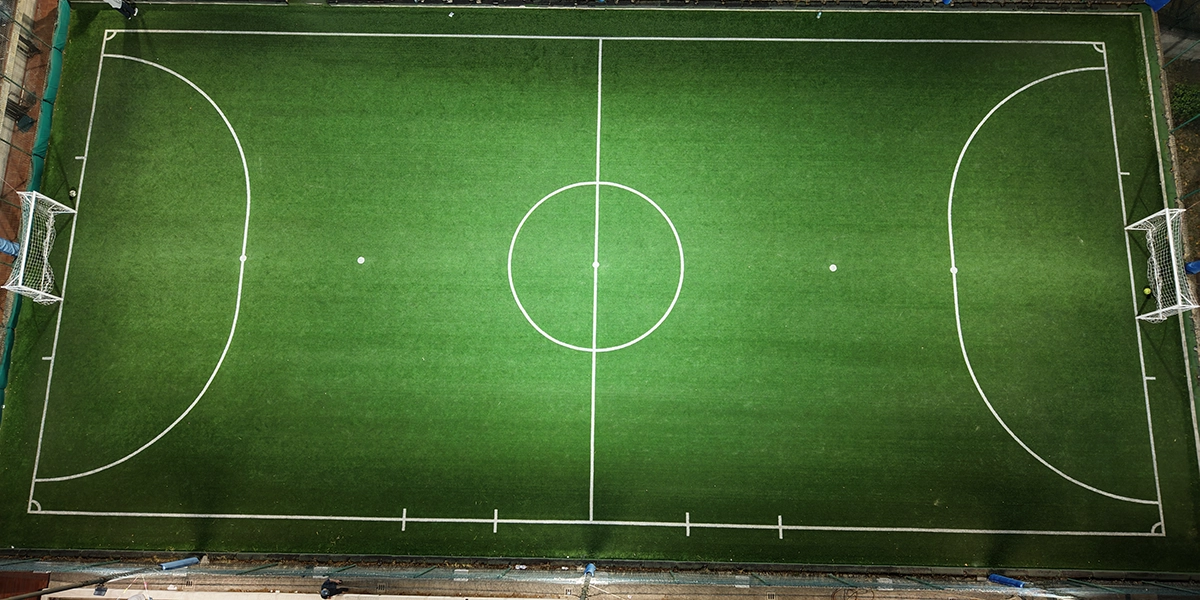
RIGEN case study · Venticano12Draco 180 Evo 180 Wper luminaire in this project 325 luxdocumented average U0 0,80uniformity in this project Read the Venticano case study →
A documented result, not a universal requirement
The Venticano five-a-side project uses 12 Draco 180 Evo floodlights rated at 180 W, with 60° optics, approximately 325 lux average illuminance, U0 uniformity of 0.80 and a 5000K colour temperature.
Indicative editorial values
Lux levels and references depend on use and pitch class
The following ranges are guidance, not a substitute for project verification. FIGC and UNI EN 12193 are potentially applicable references to check against the class, use and competition.
| Illustrative scenario | Indicative range | Required checks |
|---|---|---|
| Recreational five-a-side football | 200–300 lux | Use, geometry, uniformity and comfort |
| Higher-level five-a-side football | 300–500 lux | Class and installation objectives |
| Seven/eight-a-side pitches | 200–500 lux | Area, poles and distribution |
| Professional settings | 500–700+ lux | Competition, spectators, filming and applicable requirements |
Relux
Predicting the result before installation
Simulation evaluates distribution, illuminance, uniformity, optics and aiming. Values then need to be checked in the design and, where required, on the pitch.
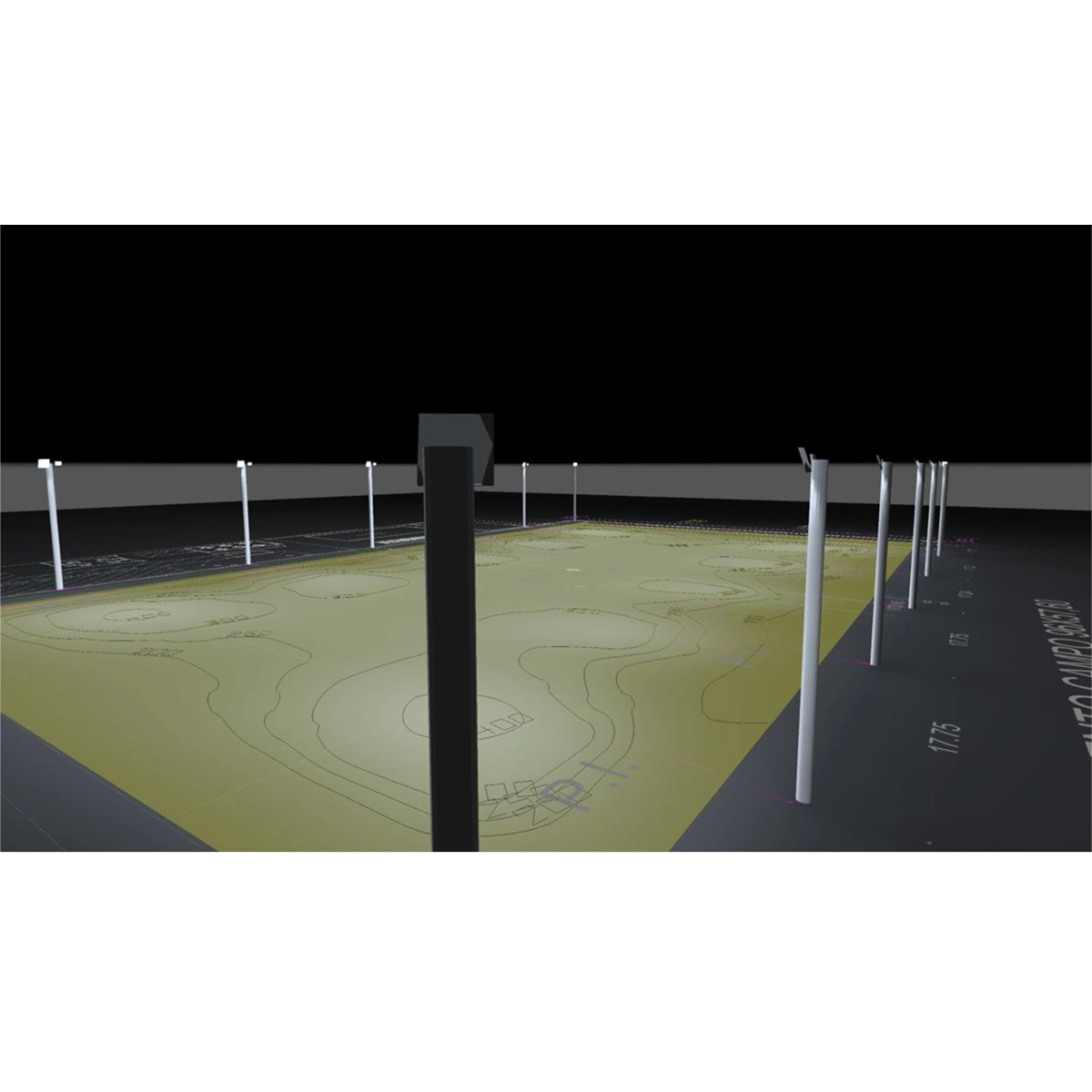
RIGEN Method01 02 03 04
From survey to commissioning
Site survey
Pitch, poles, heights, power supply and use.
Simulation
Light distribution and design scenarios.
Optics
Beams and aiming selected for the geometry.
Verification
Checking results and actual consumption.
Energy consumption
Savings remain potential until calculated
Reductions of 72% or more than 70% may arise in specific comparisons, but depend on power ratings, operating hours, maintenance and the previous system’s baseline. They are not a universal guarantee.

Products verified in the catalogue 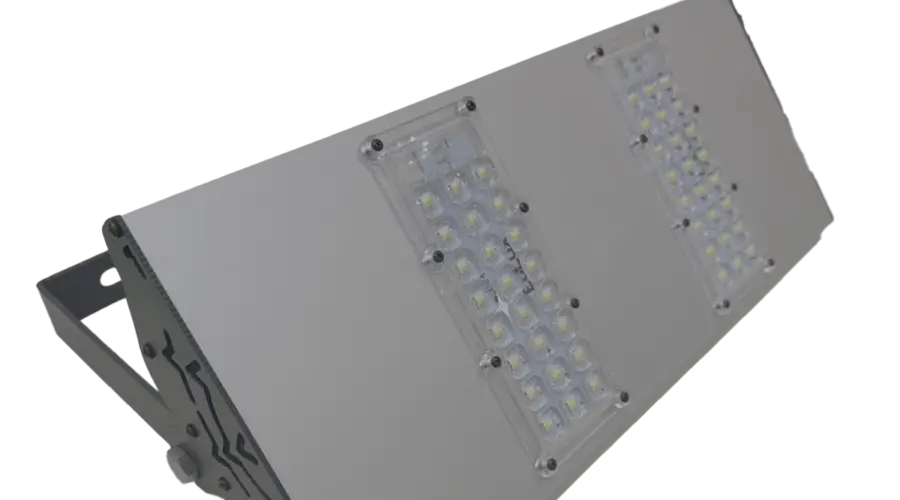
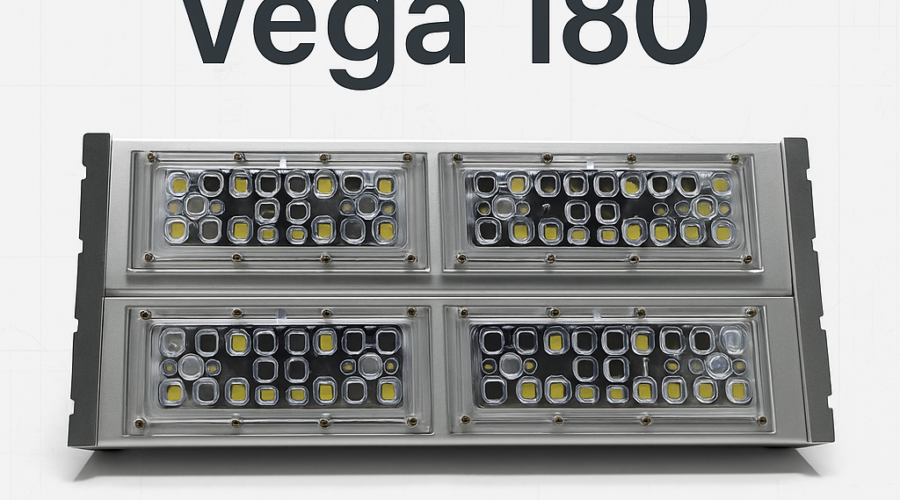
Available ranges, with configurations to be designed
These links lead to actual catalogue pages. No wattage is automatically presented as the right choice for a pitch.
Draco range
Professional configurations selected only after a site survey, simulation, optics assessment and aiming checks.
Vega range
Luminaires in different power ratings: the correct configuration depends on the pitch, not on wattage alone.
Mistakes to avoid
Decisions that weaken the result
Design connects performance, comfort, consumption and maintenance.
- Choosing by wattage alonePower does not describe distribution or aiming.
- Using generic opticsThe geometry requires verified beam patterns.
- Skipping simulationWithout calculations, the result remains uncertain.
- Ignoring maintenance and the baselineThe economic comparison must include the operating cycle.
Real RIGEN projects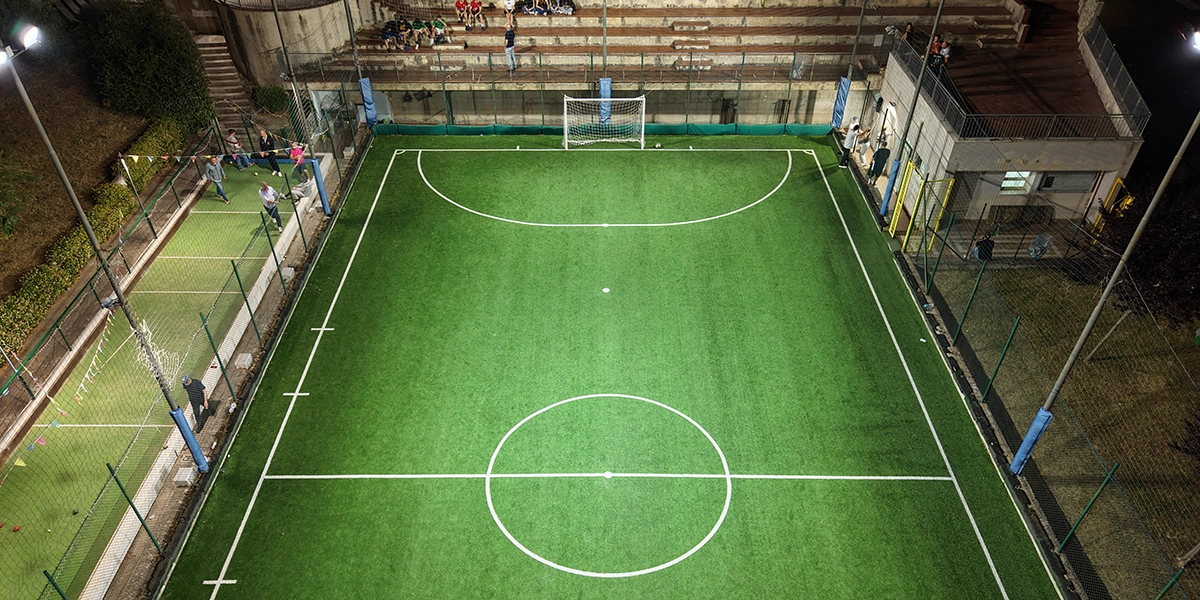 Venticano · five-a-side pitch12 Draco 180 Evo, a documented 325 lux average and U0 of 0.80.Juve StabiaFloodlight towers and their professional application in the published case study.
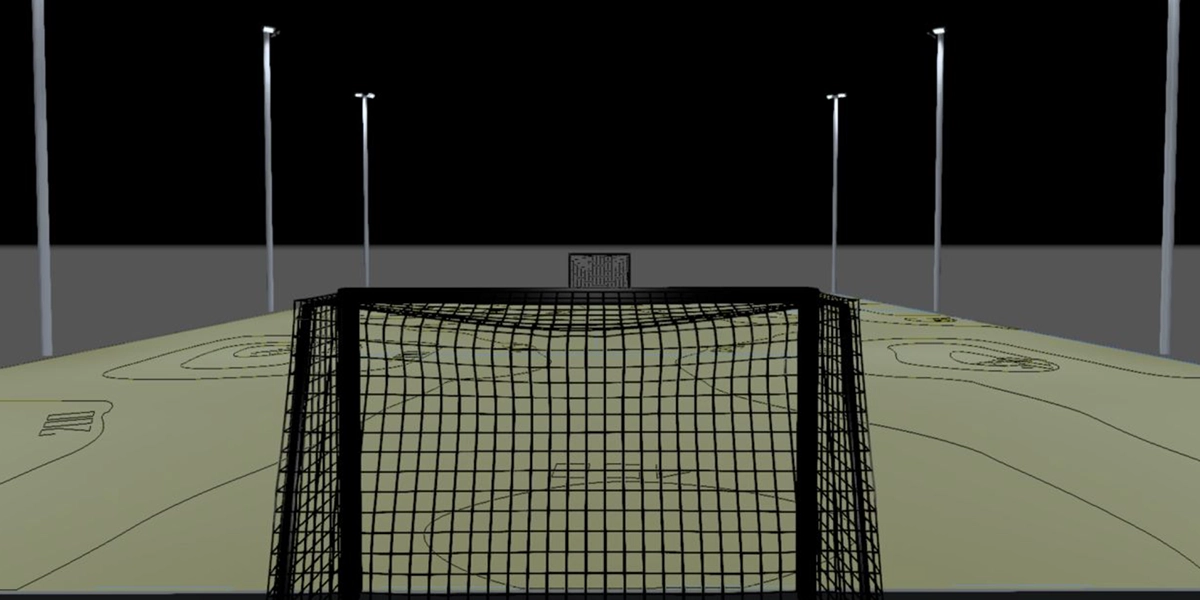 Mercato San SeverinoFive-a-side pitch design with lighting simulation.Draco after nine yearsOn-site inspection of luminaires installed in 2017.
Published projects and verification results
Venticano · five-a-side pitch12 Draco 180 Evo, a documented 325 lux average and U0 of 0.80.Juve StabiaFloodlight towers and their professional application in the published case study.Mercato San SeverinoFive-a-side pitch design with lighting simulation.Draco after nine yearsOn-site inspection of luminaires installed in 2017.Gallery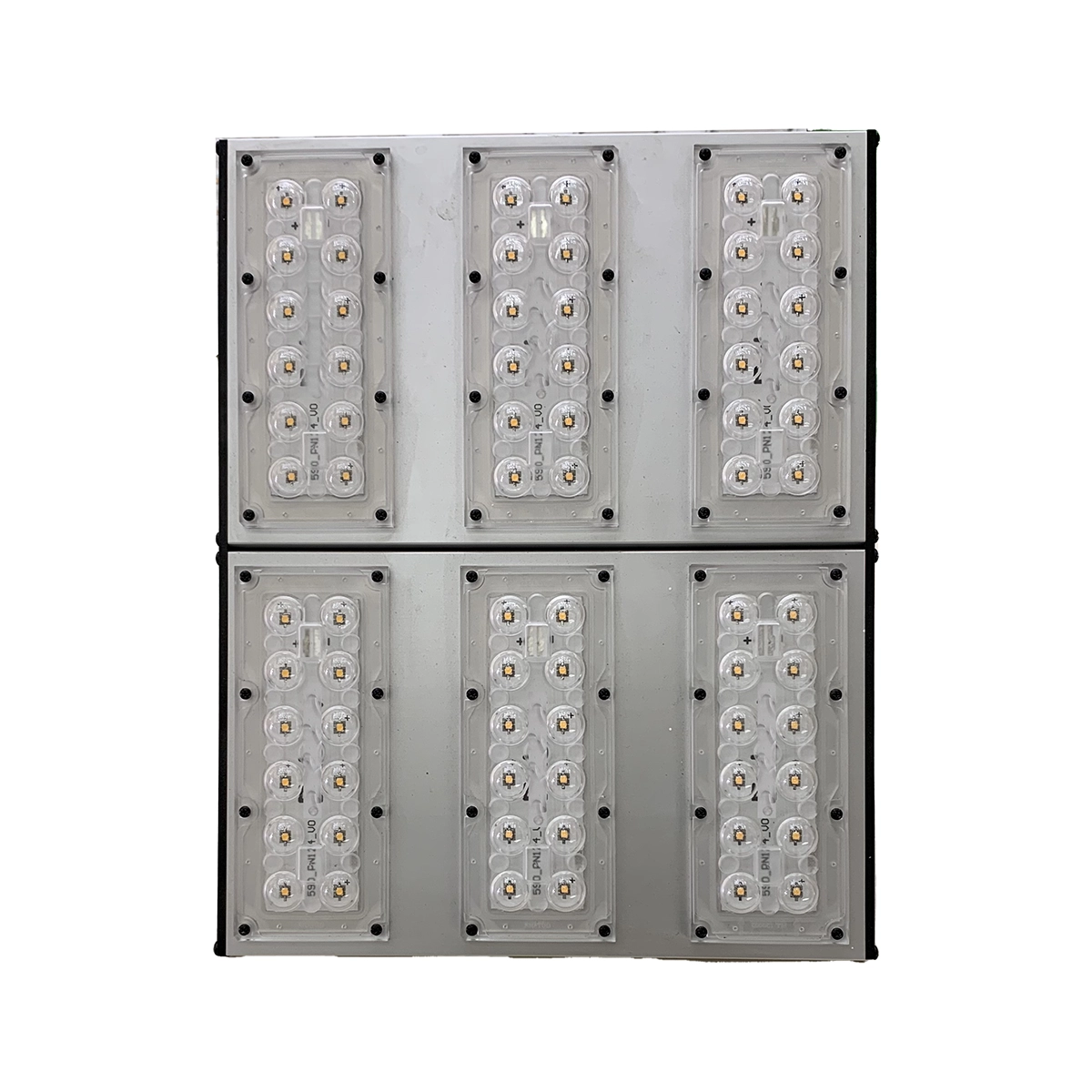
Pitch, towers, product and simulation
Related reading
Continue exploring
Experience and technical responsibility
Lighting design by Fabio Locorotondo
Project data is tied to the context in which it was produced. Values, luminaires and configurations from real projects are not presented as prescriptions for every pitch.
Would you like to light a football pitch?
Send the dimensions, pole positions and heights, intended use and details of the existing system.
FAQ
Questions about LED football pitch lighting
How many lux are needed?
It depends on use, class, geometry and applicable requirements. The stated ranges are editorial guidance and require project verification.
How much can be saved?
Savings depend on the comparison with the existing system, operating hours and the proposed configuration.
Which optics should be used?
Optics are selected according to poles, distances, pitch geometry, distribution targets and glare control.
How are floodlights selected?
Not by wattage alone: photometry, simulation, optics, aiming and result verification are needed.
Is lighting design necessary?
Yes, to assess distribution, illuminance, uniformity, comfort, consumption and applicable requirements before installation.
LED football pitch lighting: design overview
Professional football pitch lighting should assess geometry, pole positions, optics, aiming, illuminance distribution, uniformity, glare control and energy use before selecting luminaires.
Further reading for your project
- LED optics and light distribution: directing light onto the playing surface.
- One powerful luminaire or several light sources?: comparing placement and uniformity.
- Lumens and watts: distinguishing light output from power consumption.