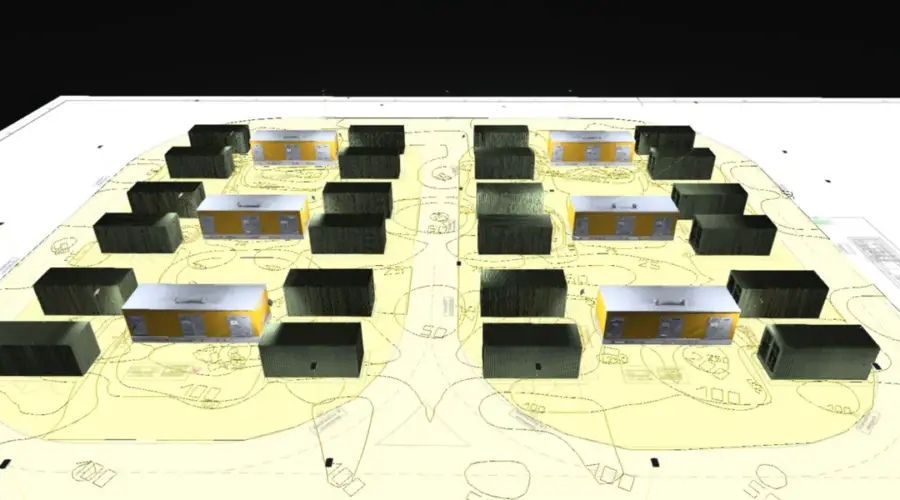
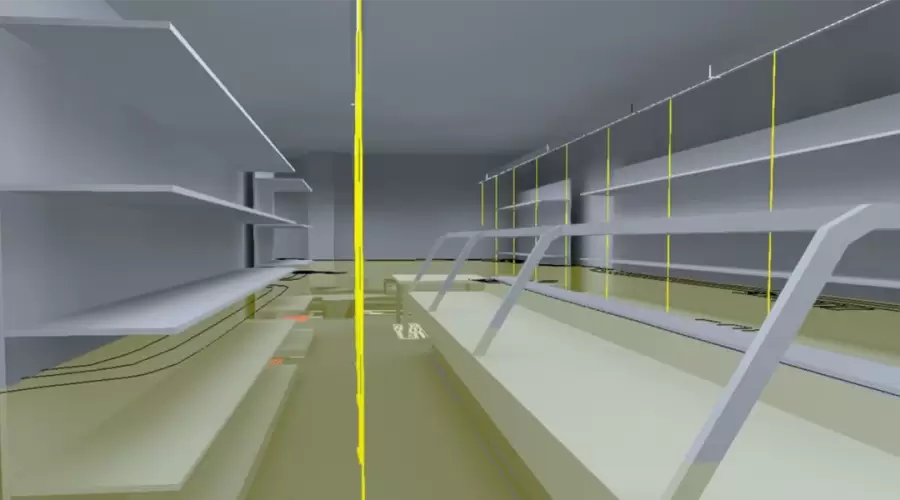
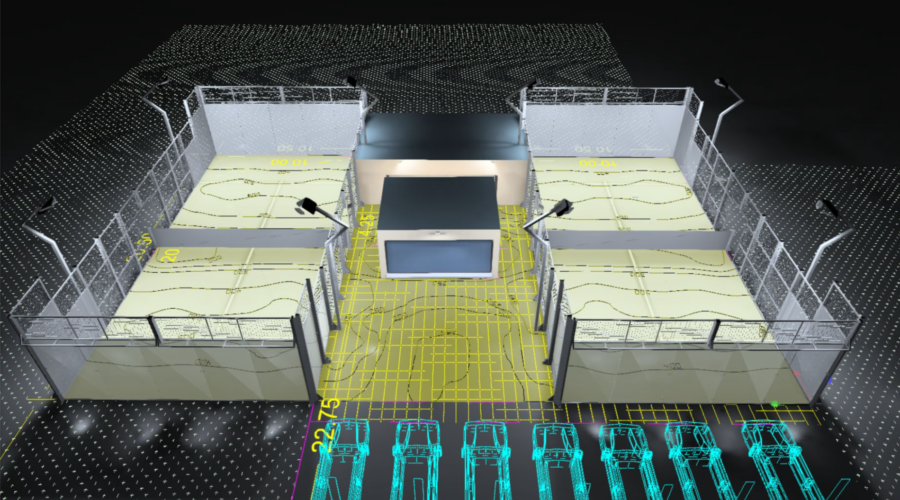
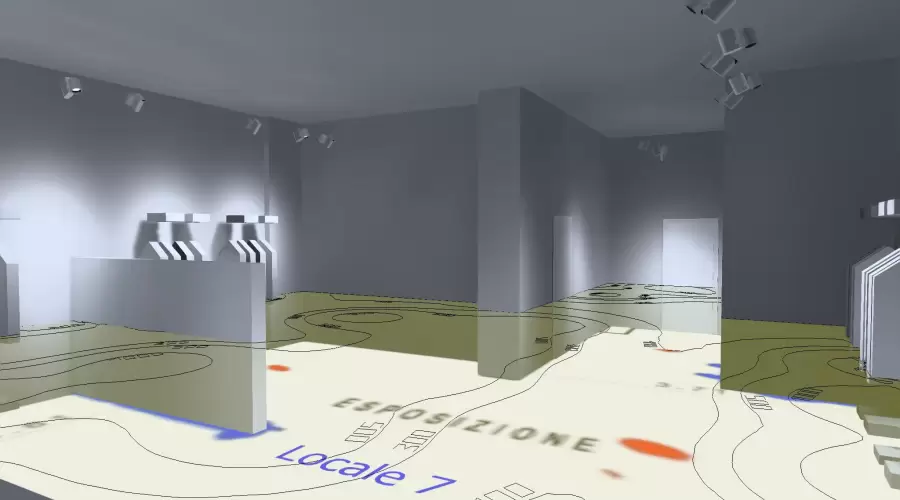
Site analysis
We study the spaces, activities and operational requirements.

Lighting is designed, not simply chosen. Each space has different needs and requires a specific design approach. Drawing on professional lighting-design experience, the RIGEN Method turns data, analysis and simulations into truly efficient LED systems. First we analyse the space, then we design the lighting. Only then do we select the most suitable product. From design to light. Together.

Every space is unique and needs lighting designed around the actual needs of its users. The RIGEN Method follows this principle: analyse before designing, design before installing.
We do not pick a lamp from a catalogue and hope it will work. We analyse the space, simulate the behaviour of light and define lighting objectives before selecting the most suitable product.
This approach enables us to deliver professional LED systems that improve lighting quality, visual comfort, safety, energy efficiency and the long-term value of the investment.
For us, the product is the outcome of the design process, not its starting point.
Every project follows a clear, structured process that turns needs, technical data and objectives into a practical, efficient and lasting solution.
We study the spaces, activities and operational requirements.
We define visual comfort, safety, energy-efficiency targets and expected results.
We run professional simulations and check illuminance and uniformity.
We select products, optics and colour temperatures that genuinely suit the project.
We analyse consumption, energy savings and return on investment.
We support installers and designers throughout implementation.
We compare the result with the initial objectives.
The RIGEN Method places lighting design at the heart of every project. Technical analysis, professional simulations and objective assessments support each decision to deliver an efficient, reliable system designed to last.
Every project starts with an analysis of the space.
Every solution is developed to suit its setting.
Simulations and checks guide every decision.
Every project includes a business plan and ROI analysis.
We use professional LED luminaires exclusively.
We support the customer through to final verification.
Every system is designed around the characteristics of the space and its operational requirements.
We check illuminance, uniformity and visual comfort before installation.
A dedicated business plan analyses consumption, operating costs and payback periods.
We guide you from initial analysis and design through implementation support and final verification of the system.
At Conceria Marangelo, work began with an analysis of the production areas and operational requirements. Professional lighting simulations identified the most effective solution for improving light quality and operators’ visual comfort while reducing energy consumption. The result is a bespoke system that delivers uniform light distribution, greater safety and tangible, measurable results.
Request your RIGEN project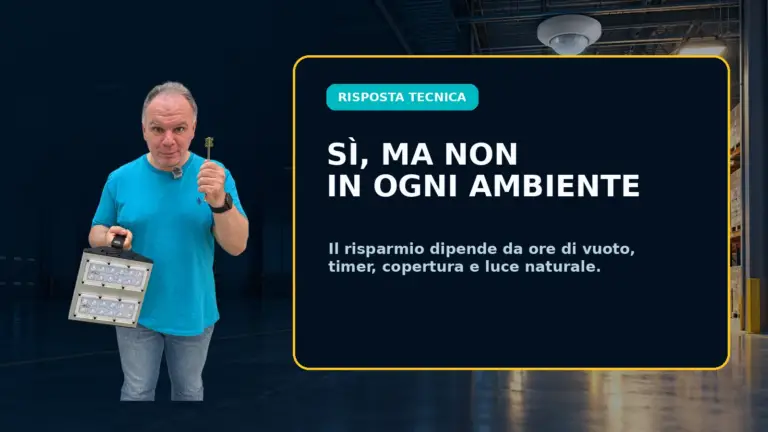
Do presence detectors save energy? Learn when they are worthwhile and how to adjust them to reduce lighting consumption…
Read more →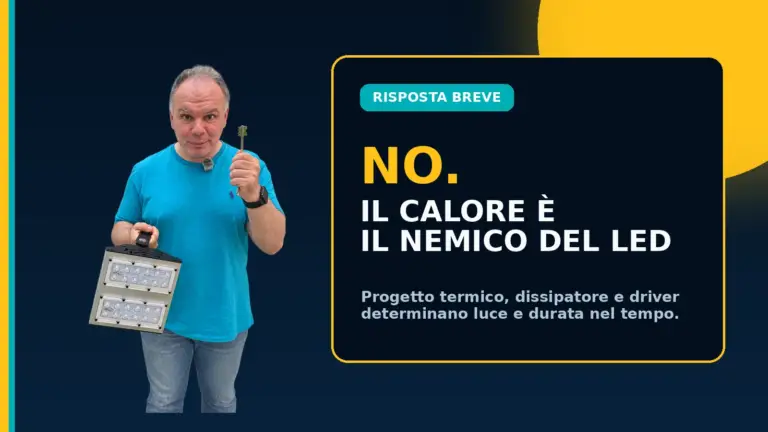
Do LED lamps need to warm up to work better? No: discover why heat reduces efficiency, light output and lifespan…
Read more →
Do LED lamps attract mosquitoes? Explore the effects of spectrum, colour temperature, intensity and light direction…
Read more →Every space deserves lighting designed around its needs. Using the RIGEN Method, we analyse, design and deliver professional LED systems that improve lighting quality, reduce consumption and add value to every investment.
Request your RIGEN projectThe RIGEN Method is the lighting-design system developed by Fabio Locorotondo. Each project starts by analysing the space, activities, applicable standards and required illuminance levels to create efficient, comfortable and durable LED systems.
Contact us directly by WhatsApp, by phone or through the Contact page. We will analyse your space and propose a professional lighting solution developed using the RIGEN Method.
Watts indicate electrical consumption, not light quality. Effective lighting also requires an assessment of lumens, optics, light distribution, uniformity, glare, colour temperature and the characteristics of the space.
Consigli tecnici, casi reali e novità per illuminare meglio. Ricevi gli articoli che meritano una lettura.
Invii occasionali, quando c’è qualcosa di utile da condividere. Puoi annullare l’iscrizione quando vuoi.